Unventilated attics can help to mitigate energy loss through leaky ducts or ceiling fittings.
Unvented crawl space unvented attic in cold climates.
However if moisture is able to enter the unvented attic space it may lead to roofing panel issues.
In unvented roof assemblies the thermal.
In hot humid climates outdoor air can condense on the air conditioning equipment and ductwork typically located in attic spaces.
Attic ceiling to stop airborne moisture from reaching a cold surface and condensing inside the building envelope.
Modifying the attic to create an indirectly conditioned attic space with icynene can significantly reduce energy consumption.
Researchers monitored two sets of new homes in different climates.
In humid climates vented crawl spaces don t make sense because they increase moisture problems.
Eventually the house may develop rot and mold problems.
In cold climates venting attics brings in a great deal of snow.
In december 2009 they released an exhaustive report about crawl space ventilation as it pertains to a variety of different climates across the country.
Two acceptable methods for insulating an unvented attic assembly in all climates are as follows.
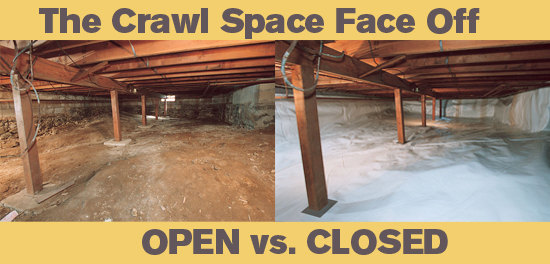
In an unvented crawl space plastic sheeting seals the ground and keeps most of the soil gases out of the air.
The energy savings touted by unvented attics can be as high as 20.
In hot climates unvented attics are ideal where hvac equipment and ductwork are located in the attic.
Construct an unvented crawlspace and insulate the interior walls with rigid foam insulation.
But it s easier said than done.
Laden air can migrate from the attic into the living space.
In this climate your house is often being mechanically cooled which also cools the crawl space warm humid air enters the crawlspace through the vents and condenses on the cold framing members.
This can provide an insulated air sealed environment for ducts and hvac equipment protect floor joists from condensation from humid air in humid climates and protect floors and pipes from cold temperatures in cold climates.
An unvented crawl space or better yet no crawl space.
In humid climates venting attics brings a great deal of moisture into the structure.
Air impermeable insulation typically spray foam installed to the underside of the roof sheathing.
In cold climates warm indoor air leaking into the attic can condense against the underside of the roof sheathing.
I agree in this climate scenario that closed crawlspaces are a great idea to.
Unvented attic assemblies unvented attics rely on an air impermeable insulation installed to the roof deck s underside i e.
A 15 home modular housing development in hot humid baton rouge la.
Not venting makes these problems go away joe lstiburek building science corporation building technologies program recognizing top innovations in building.
In this design insulation effectively separates the interior and exterior spaces while slowing down moisture flow so the dewpoint is not achieved within the building envelope.
In cold climates attic ventilation is a common method to remove humid air.