These termites live in africa australia and south america.
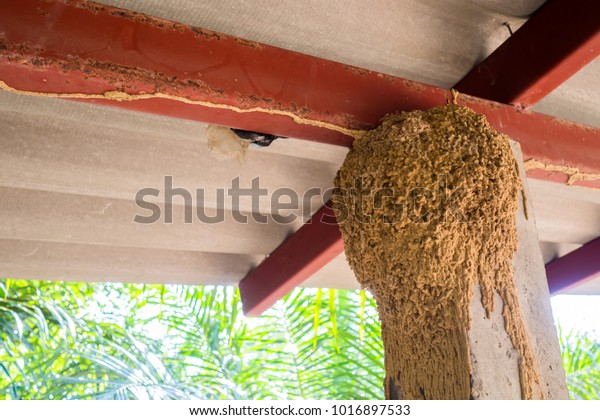
Termite mounds roof.
In jungles and savannah of australia south america and africa mound building termites live.
Termites might not be the most majestic creatures.
Only they can build several feet tall termite mounds to get accommodated in them.
What makes termites unique is that they all feed on cellulose.
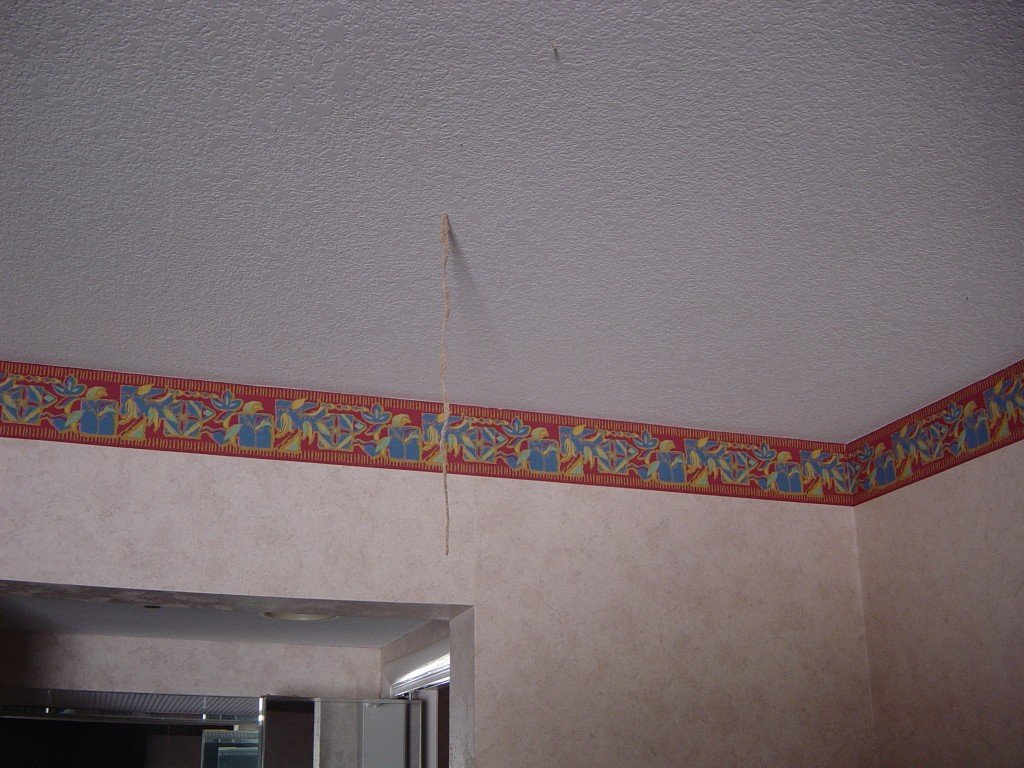
Testing that looks rotten or cracking open mud tubes can cause workers to spill from the break indicating an active infestation.
Unlike drywood termites subterranean termites typically build their colonies in the soil.
Sometimes other colonies of the same or different species occupy a mound after the original builders deaths.
The result is an architectural marvel that achieves 90 percent passive climate.
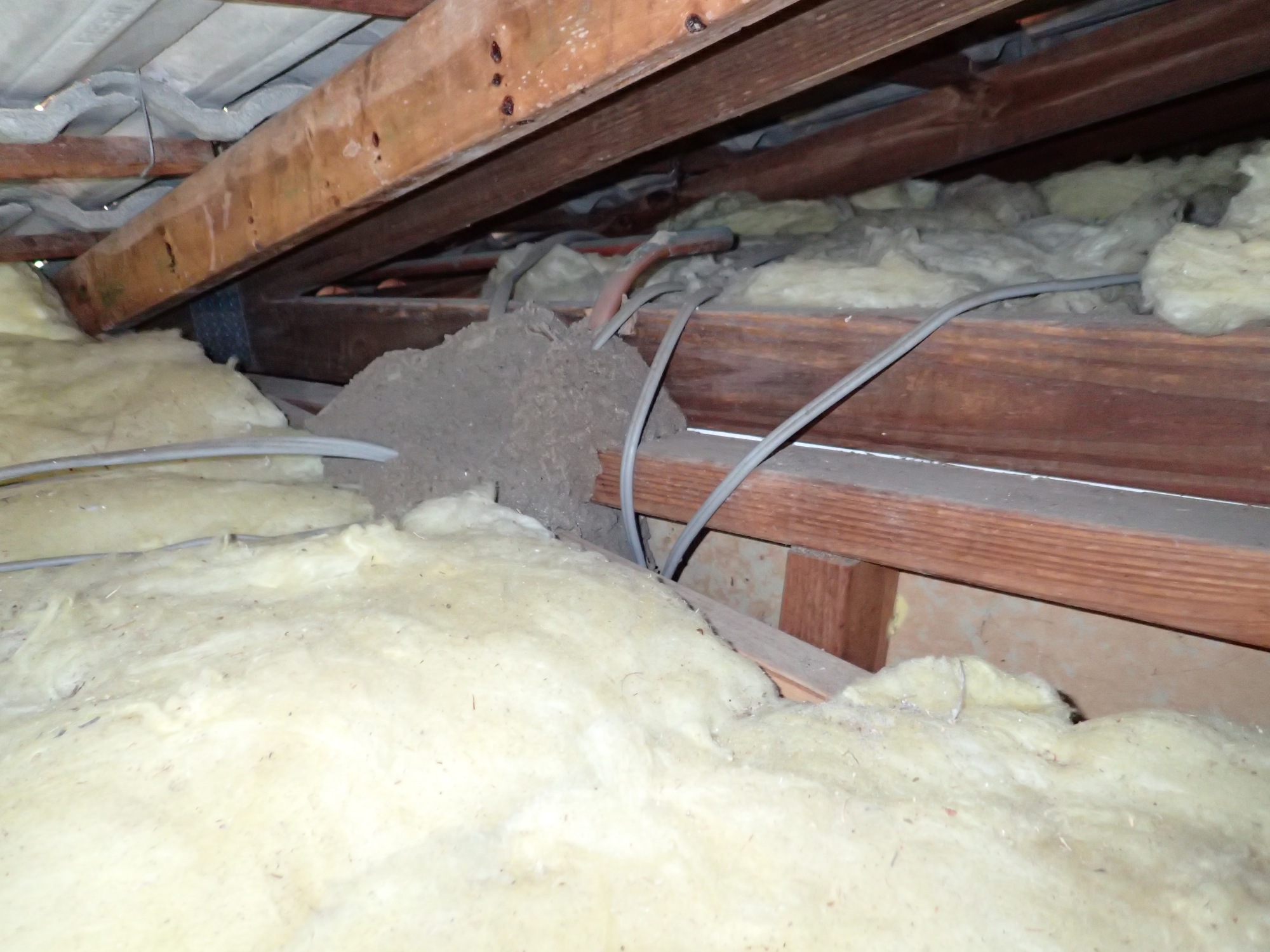
Found termites in roof.
However subterranean termites will build colonies in any area where they have access to wood.
Signs of a nearby drywood termite nest.
Drywood termites live and feed inside wood.
If the inner tunnels of the nest are exposed it is usually dead.
Termite colonies range in size from as low as several hundred individuals to as high as a couple of million.
Termites are insects closely related to cockroaches but behaviorally similar to ants and bees in that they organize into social communities with complex divisions of labor.
Removing termite damaged rafters and starter boards.
I replace the damaged wood and prep for the new roof installation.
Termite infestations cause extensive damage over time and since the pests tunnel inside wood property owners rarely see the pests.
Termite mounds usually outlive the colonies themselves.
Fortunately non tropical species don t.
Termites build large chimneys to circulate air and control temperatures in their mounds.
In nature termites build skyscraper like mounds that are ventilated by a complex system of tunnels.
Lothar herzog via wikimedia commons in the building that pearce and multidisciplinary engineering firm arup group designed each floor had air ducts running underneath it.
In many cases a shovel or hoe will be adequate while in others you may need to use a rototiller or other mechanical device to break up the compacted dirt of the mound.
Mound building termites are a group of termite species that live in mounds.
They can establish colonies inside ceiling rafters roof beams eaves and other wooden structures associated with your roof.
Most of the mounds are in well drained areas.
The mounds sometimes have a diameter of 30 metres.
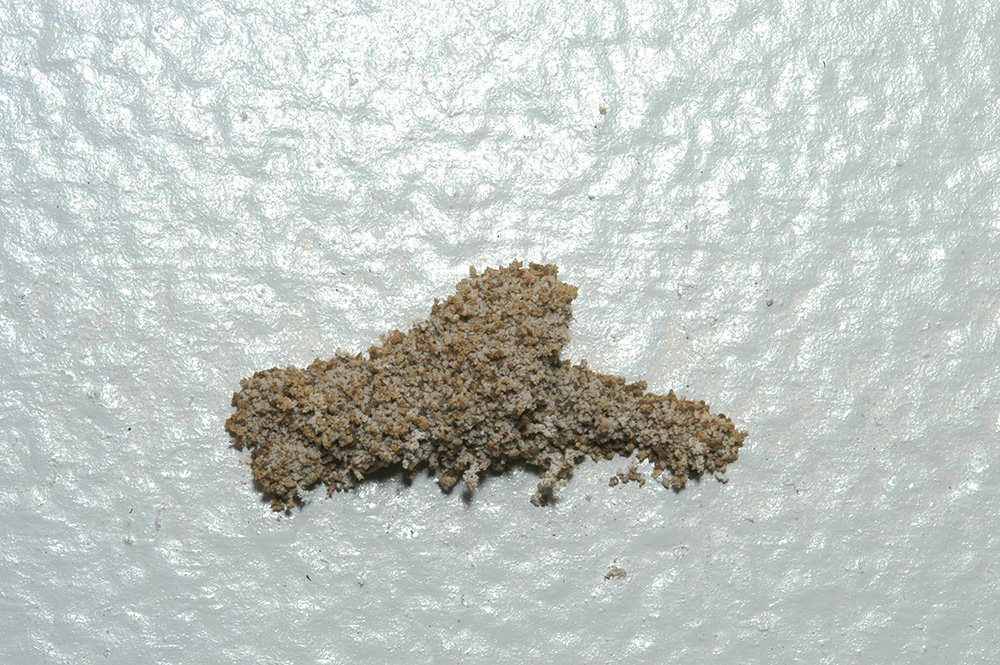
Eastern subterranean termites caught on a cleaning cloth.
Termite mounds are sturdy structures and it can be difficult to break them down.
Perhaps the most famous example of nature inspired architecture comes from mick pearce a zimbabwean architect whose designs model termite mounds.